IEP Support That Helps Your child grow
Get expert guidance from Veronica, a California-based credentialed educational specialist. Your child’s IEP should reflect their educational needs. Veronica can help.
You Shouldn’t Need a Special Education Degree to Read Your Child’s IEP
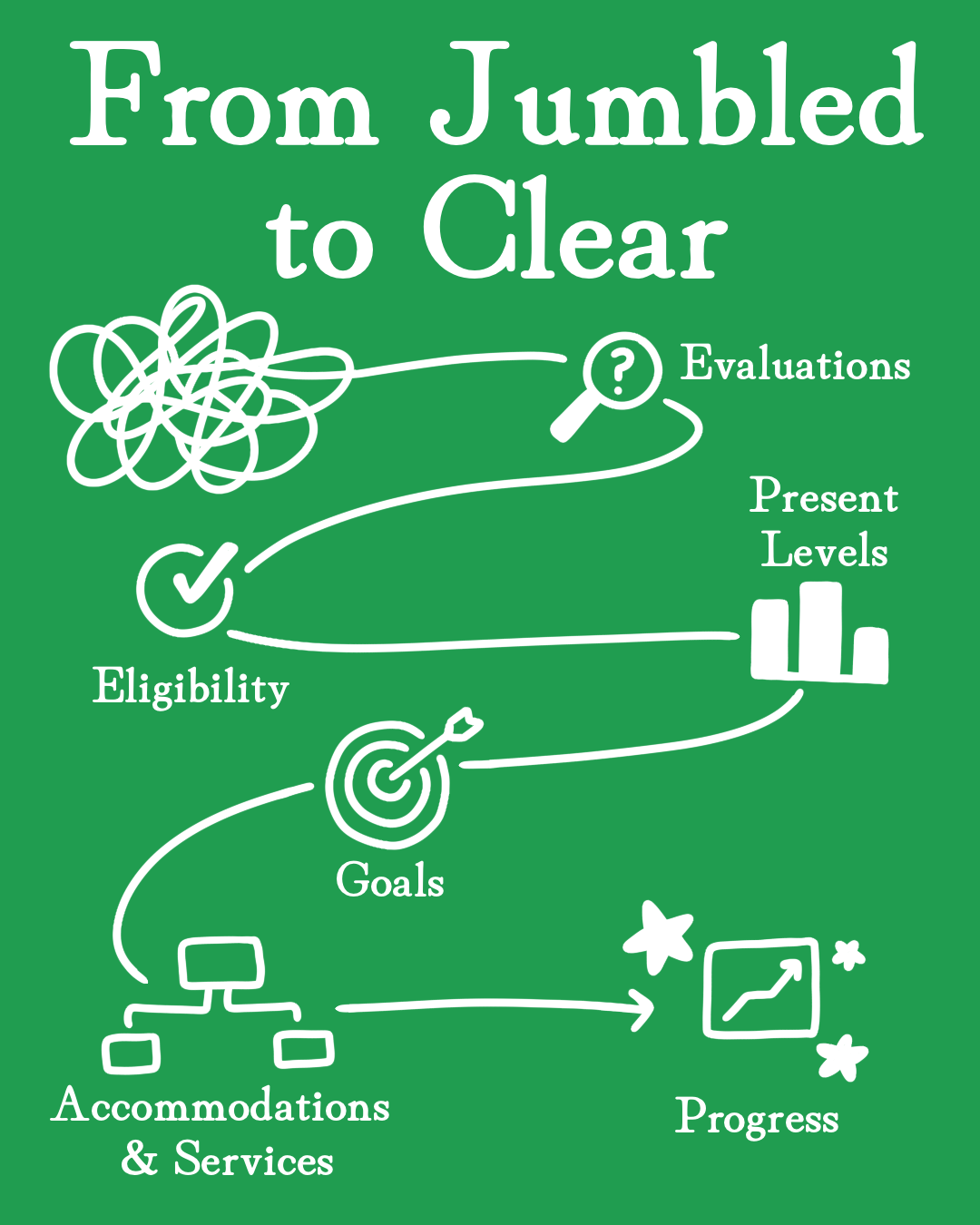
Have you ever felt like you left an IEP feeling more confused than when you entered?
Are evaluations, goals, and everything in-between overwhelming you?
Do you want to be able to make sense of everything being handed to you by the school?
Or perhaps you have disabilities of your own that are making the whole IEP process even more frustrating and stressful?
Client Review
“Veronica, from SPED Unjumbled, has been an invaluable source to me as a general education teacher. She has helped me prepare for IEP meetings where I didn't feel I had the right language to advocate for my students. She helped me grasp the different goals and sections of an IEP that I didn't understand. With her guidance, I was able to suggest goals and accommodations that I knew were best for my students instead of just agreeing with what someone else came up with. I will definitely be using Veronica's services in the future!”
— Rebeca R. (General Education teacher 7-12 grade)
What do You Need Help with?


Your Child’s IEP Should Make Sense
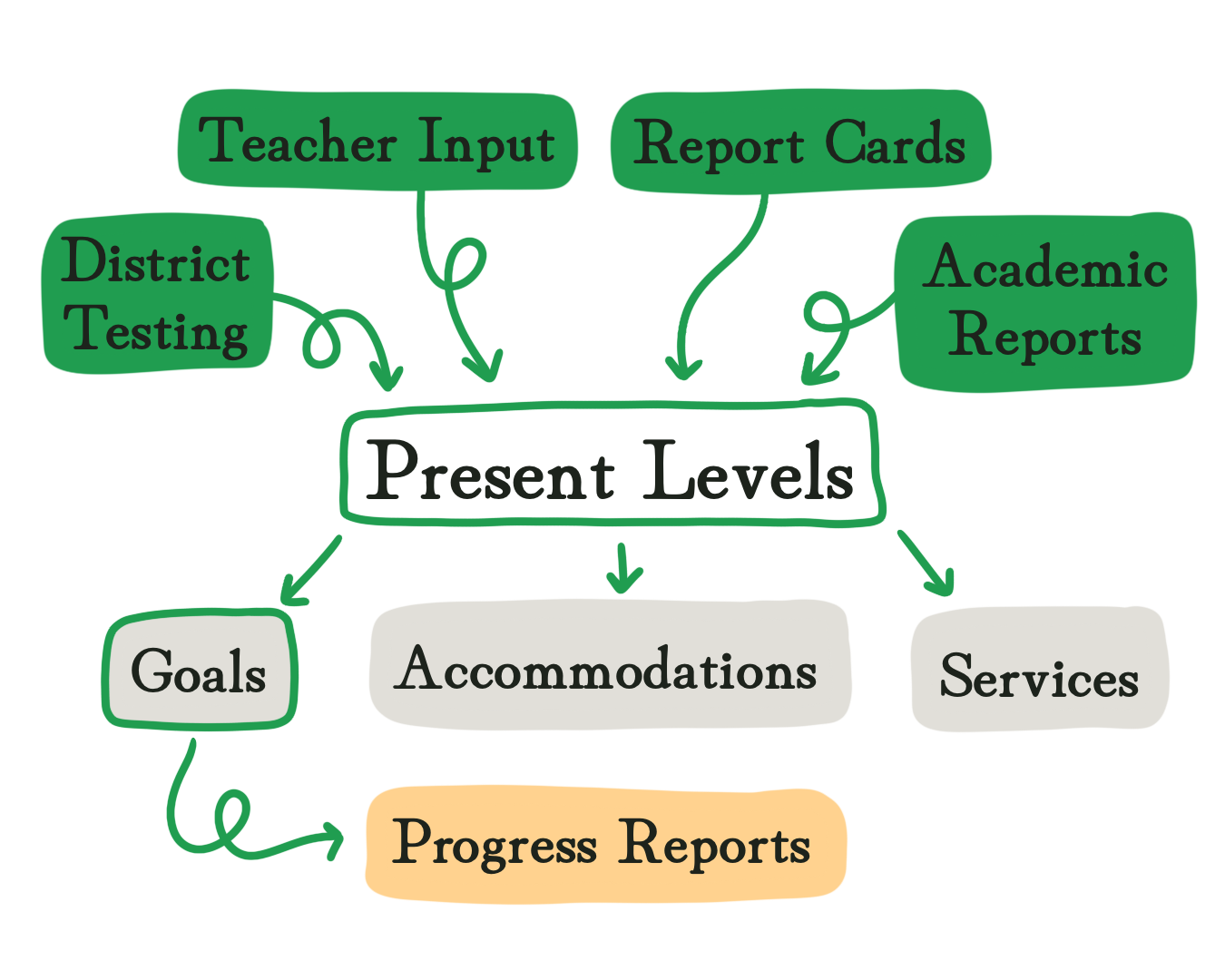
When analyzing your child’s IEP, Veronica will cross-check information to make sure goals, accommodations, services, and placement all align with proper evidence. Well documented information that is backed by evidence can make all the difference in helping with progress. Veronica will provide you with feedback and suggestions to support your child.
Autism Support & Special Education Advocacy
As a credentialed special education teacher, Veronica has extensive experience supporting autistic students with diverse learning styles, communication needs, sensory sensitivities, emotional regulation challenges, and individualized educational goals.
As an educator, she brings both professional knowledge and personal understanding to Autism IEP advocacy and special education consulting. She helps parents understand their child's unique strengths and challenges, navigate IEP accommodations and services, and advocate for meaningful classroom supports.
From sensory needs and meltdowns to routines, transitions, and special interests, Veronica helps families ensure their child's Individualized Education Program (IEP) reflects their actual needs—not just their Autism diagnosis.
Every autistic child deserves individualized support, and every parent deserves to feel heard, informed, and empowered.
How it Works
Email Veronica your documents
Your documents are cross-checked and reviewed
A personalized video will be created clearly explaining your specific IEP; along with suggestions, defined guidelines, and easy-to-understand information.
Once the information has been reviewed, you may schedule a Q&A with Veronica should you need additional clarification, or other questions arise.
Confidentiality & Student Privacy
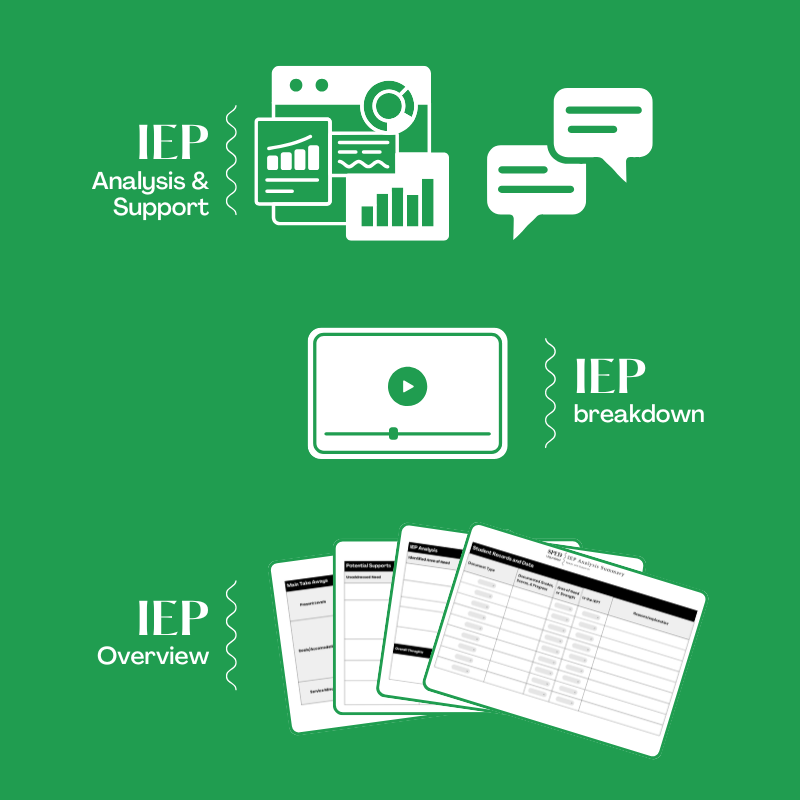
Email Veronica your documents
Your documents are cross-checked and reviewed
A personalized video will be created clearly explaining your specific IEP; along with suggestions, defined guidelines, and easy-to-understand information.
Once the information has been reviewed, you may schedule a Q&A with Veronica should you need additional clarification, or other questions arise.

Meet Veronica | Founder of SPED Unjumbled
Veronica holds teaching credentials in special education and elementary education and earned her Master of Arts in Education from San José State University.
She founded SPED Unjumbled after seeing how many families felt overwhelmed, confused, and unsure of what to ask during special education meetings.
Today, she helps parents make sense of IEPs, understand their child's educational needs, identify gaps in services and supports, and prepare for important school meetings. With Veronica's guidance, families can ask better questions, make informed decisions, and advocate more confidently for their children.
Her goal is simple: help parents walk into meetings prepared, understand what their child needs, and leave knowing what comes next.
Services & Pricing
Best for those who have just started the special education process.
-new to evaluations
-breakdown of the IEP process
-analysis of reports
-review of report cards and current test scores
Best for those who have been in an IEP meeting before, but wish for more understanding and support.
-annual meeting
-monitoring progress
-concerns with the IEP
Best for those who are feeling overwhelmed or who need specific guidance.
-team communication
-requesting services
-progress concerns
-overall guidance
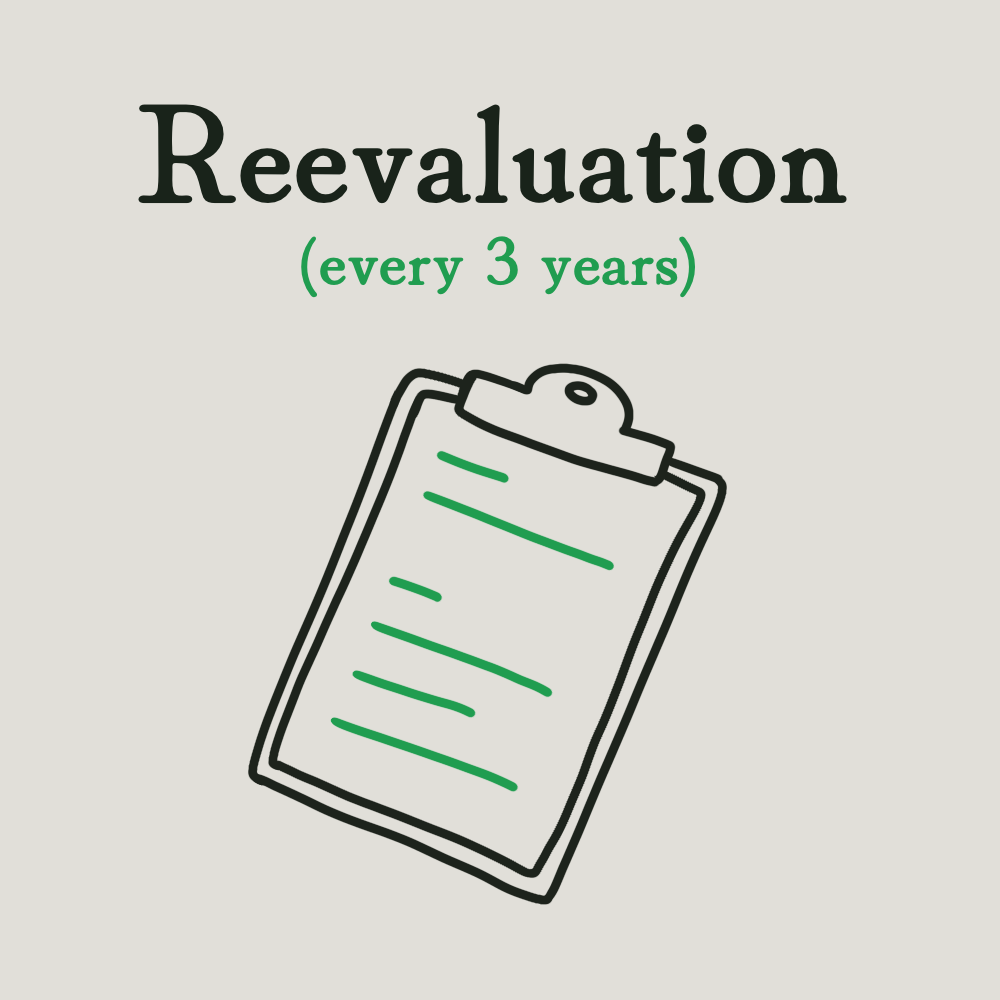
Best for those who are requesting a reevaluation or whose last evaluation was 3 years ago.
-report analysis
-cross-checking information
-simplifying reports
-summary of findings
Best for those who are get overwhelmed in IEP meetings and want someone from the education world to take notes.
-Detailed Notes
-Summarization within 48 hours
-can be purchased alongside other supports
Common Questions
How can my child get an IEP?
1
The IEP process starts with a referral. Send an email or talk with a school administrator about your concerns. State that you would like a special education evaluation for your child and provide your reason for concern over your child’s academic progress.
My child has Autism, does that mean they get an IEP?
2
Simply having a disability does not in itself qualify your child for an IEP. There must be evidence that the disability is affecting your child’s academic and/or functional progress in school.
How can I help my child make more progress in school?
3
We combine a thoughtful, human-centered approach with clear communication and reliable results. It’s not just what we do—it’s how we do it that sets us apart.
Is a 504 for the same as an IEP?
4
No, a 504 plan supports a child through the use of accommodations within the general education setting. An IEP offers support through goals, accommodations, services, and special education placements (special day class or resource setting).
The IEP may be complicated. Understanding it doesn’t have to be.
We’d love to talk more